
The Importance of PAT Testing for Workplace Safety
Portable Appliance Testing (PAT testing) plays an important role in reducing electrical risk in workplaces. While it’s often seen as a compliance task, PAT testing helps identify damaged or unsafe equipment before it causes injury, fire, or operational disruption. This guide explains what PAT testing involves, why it matters, and how regular testing supports safer working environments.
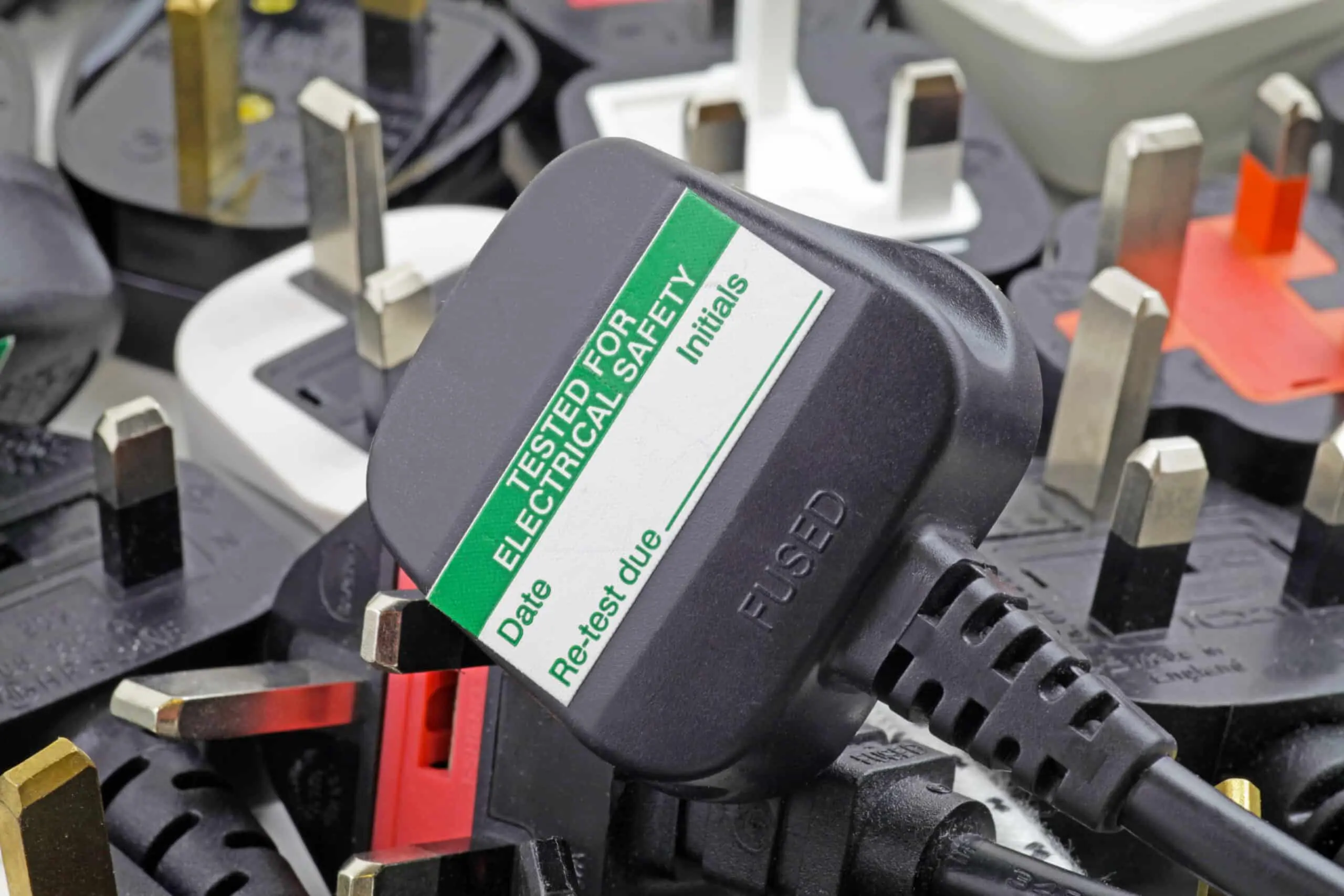
What is PAT Testing?
PAT testing is the inspection and electrical testing of portable appliances and equipment. It combines visual checks of plugs, cables, and casings with electrical measurements such as earth continuity and insulation resistance, where appropriate.
The purpose is simple: to confirm that electrical items are safe to use and to highlight faults early. Appliances are labelled after testing, and results are recorded so organisations have clear documentation for safety records, audits, or insurance purposes.
If you’re unsure exactly what needs checking, our guide on what items need PAT testing explains which appliances typically require inspection.
Why PAT Testing Matters
Electrical faults are a common cause of workplace incidents. Worn cables, loose connections, or damaged plugs can lead to electric shock, overheating, or fire if left unchecked.
Regular PAT testing helps reduce these risks by identifying problems early. It also supports wider health and safety responsibilities by showing that equipment is being maintained properly rather than relied upon until something fails.
PAT testing is not just about ticking boxes, it’s about preventing avoidable accidents and maintaining safe working conditions.
How Often Should PAT Testing Be Carried Out?
There is no single legal interval that applies to every environment. Testing frequency depends on how equipment is used, the type of appliance, and the level of risk involved.
Items in higher-risk settings or with frequent handling typically need more regular checks than equipment in low-use environments. Many organisations use annual testing as a practical baseline, supported by routine visual inspections between formal tests.
A risk-based approach helps ensure testing is proportionate and effective.
What are the Benefits of PAT Testing?
Apart from ensuring the safety of your employees, PAT testing can also have other benefits for your businesses such as:
Reducing liability
Keeping documented PAT testing records helps demonstrate responsible safety management. If an incident occurs, clear testing history shows that reasonable steps were taken to maintain equipment safely.
Improved reliability
Regular inspection helps identify minor issues before they become major failures. Well-maintained equipment is less likely to break down unexpectedly, reducing disruption and downtime.
Long-term cost savings
Replacing damaged equipment is far more expensive than maintaining it. PAT testing helps extend appliance life by catching faults early, reducing unnecessary replacements.
Who Should Carry Out PAT Tests?
PAT testing should be completed by someone who is competent and properly trained. This doesn’t necessarily mean a qualified electrician, but the person carrying out testing must understand inspection procedures, testing equipment, and how to interpret results correctly.
Using experienced testers ensures faults are identified accurately and documentation is completed properly.

Final Thoughts
PAT testing plays an important role in workplace electrical safety. Regular inspection and testing help reduce risk, protect people, and support responsible equipment management. Combined with routine visual checks and clear records, PAT testing forms part of a practical approach to preventing electrical accidents and maintaining safer working environments.